Thursday, 2 March 2017

PROJECTS PRESENTATIONS

DATES FOR PRESENTATIONS :

  • 3º ESO A:           THURSDAY 9th, 16th and 23rd  
  • 3º ESO B/C :      THURSDAY 9th, 16th and 23rd 

PLACE: ENGLISH CLASSROOM 

REMEMBER:

  • NOT TO READ
  • TO ORGANISE THE MAIN IDEAS
  • TO SUM UP THE SLIDES
  • NOT TO BE BORING
  • INTERACTION WITH YOUR TEAM MATES
  • PRONUNCIATION
  • ENTONATION
  • ORAL PRESENTATIONS REVISED BY TERESA AND CRISTINA 
  • YOU WILL BE ALLOWED 10 MINUTES TO TALK

Thursday, 23 February 2017

ROALD AMUNDSEN


FRANKLIN EXPEDITION 1847
                   
HARDANGERVIDDA PLATEAU
   
                            
BELLINGSHAUSEN SEA


Sunday, 12 February 2017

UNIT 4

SUBJECT/ OBJECT QUESTIONS

-ED  and -ING ADJECTIVES
  • Adjectives that end ‘-ed’ describe emotions – they tell us how people feel about something.
  • Adjectives that end ‘-ing’ describe the thing that causes the emotion – a boring lesson makes you feel bored.

Remember that people can be boring but only if they make other people feel bored.
We'll have a look at the adjectives below with Clarisa, and we'll also play some games!!

CLICK HERE > GAMES TO PRACTICE!!

-ED
-ING
Amused
Amusing
Exhausted
Exhausting
Embarrassed
Embarrassing
Pleased
Pleasing
Surprised
Surprising
Thrilled
Thrilling
Annoyed
Annoying
Confused
Confusing
Depressed
Depressing
Disgusted
Disgusting
Frightened
Frightening
Horrified
Horrifying
Shocked
Shocking
Relaxed
Relaxing
Fascinated
Fascinating
Troubled
Troubling
Puzzled
Puzzling
Irritated
Irritating
Devastated
Devastating
Overwhelmed
Overwhelming
Disappointed
Disappointing
Intrigued
Intriguing
Discouraged
Discouraging
Soothed
Soothing
Moved
Moving
Humiliated
Humiliating
Satisfied
Satisfying
Touched
Touching

Monday, 6 February 2017

HOMONYMS / HOMOPHONES / HOMOGRAPHS


HOMONYMS, or multiple meaning words, are words that share the same spelling and the same pronunciation but have different meanings. For example, bear.
  • A bear (the animal) can bear (tolerate) very cold temperatures.
  • The driver turned left (opposite of right) and left (departed from) the main road.
HOMOPHONES, also known as sound-alike words, are words that are pronounced identically although they have different meanings and often have different spellings as well. Common examples of sets of homophones include: to, too, and two; they’re and their; bee and be; sun and son; which and witch; and plain and plane. 
  • The toys are over there on the floor.
  • The wind gust blew away their papers.
  • Did they say they’re coming to my party?
HOMOGRAPHS are words that are spelled the same, but have different meanings and are often pronounced differently as well. Some examples of homographs are:
  • bass as in fish vs bass as in music
  • bow as in arrow vs bow as in bending or taking a bow at the end of a performance
  • close as in next to vs close as in shut the door
  • desert as in dry climate vs desert as in leaving alone
CLICK HERE> GAMES TO PRACTICE!

Sunday, 29 January 2017

2nd TERM PROJECT

SUBJECTS INVOLVED: GEOGRAPHY / PE / ENGLISH  


COUNTRY RESEARCH PROJECT
GUIDELINES:
  • Make groups of two or three students according to the instructions given by Ms Teresa Porras. 
  • SELECTED COUNTRIES: NEW ZEALAND, MALTA, JAMAICA, PHILIPPINES (boxing, swimming…), CAMEROON, BRUNEI, BELIZE, NIGERIA, TANZANIA, KENYA, SRI LANKA (badminton), BOTSWANA, and BANGLADESH. 
  • You’ll search for information about your chosen COUNTRY. Once these guidelines have been posted in the English blog, you’ll have to send a comment and say which your chosen country is and why you chose it. Don’t forget to tell us who belongs to your team! DEADLINE for groups and chosen countries: FEBRUARY 1st 
  • The sooner you write your comment, the better opportunity to choose the country!
  • Create a POWER POINT OR PREZI PRESENTATION with the following sections:   
  1. Location in the world and short history of the country 
  2. Physical features: climate, main landforms, animals and vegetation 
  3. Population: distribution of population, population pyramid, young or ageing country 
  4. Political system and state symbols 
  5. Main economic activities: primary, secondary and tertiary activities 
  6. Culture and traditions 
  7. Some of the most important buildings 
  8. National costume 
  9. Dance and music 
  10. Sport activities (Olympics games, Paralympics games, famous sportsmen/women, anecdotes, conclusions…)
  • Avoid long and boring paragraphs 
  • Add helpful websites at the end of your project
  • Do not visit websites in Spanish so as not to use the Translator
  • Save your project on your pendrive 
  • Post your project on your own BLOG
  • You can also send your project to your GEOGRAPHY/ PE/ ENGLISH teachers by dropbox if possible to the emails provided. 
  • Your presentations will be held in the English classroom once your projects have been sent to your teachers. 
  • We will assess your oral skills, interaction, fluency, originality, creativity, the use of specific Geography vocabulary, writing skills, digital competence, your manner presentation….. 
  • No sheets or guides will be allowed!
 DEADLINE: FEBRUARY 24th
Do your best Bretonians and ENJOY!!        

Tuesday, 10 January 2017

UNIT 3 : CHOICES, CHOICES

GRAMMAR: 
PRESENT PERFECT TENSE


FOR AND SINCE DIFFERENCES

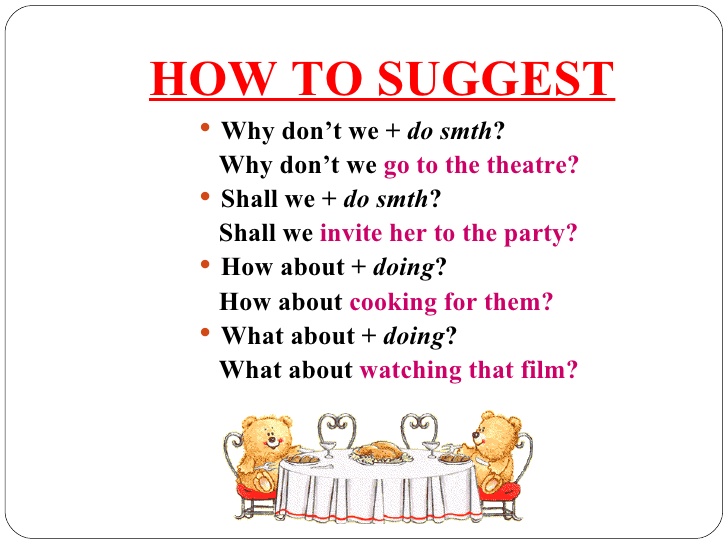
HOW TO SUGGEST

REACHING AN AGREEMENT


Tuesday, 20 December 2016


MERRY CHRISTMAS  BRETONIANS!!


AWESOME JOB.......AS USUAL!!!  
    THANK YOU!!
☝☺

Friday, 2 December 2016

FIRST TERM BLOG ACTIVITIES

HI BRETONIANS!!
YOU ARE DOING AN AWESOME JOB WITH YOUR BLOGS!

1) YOUR FIRST TERM ACTIVITIES WITH YOUR BLOGS HAVE BEEN :

  • CREATING YOUR OWN BLOG PORTFOLIO
  • INTRODUCING YOURSELF AND POSTING A PICTURE RELATED TO ENGLISH
  • ADDING SOME GADGETS: DICTIONARY, PICTURES, USEFUL LINKS...
  • POSTING YOUR ENGLISH GLOSSARIES. UNITS 0/1/2
  • ADDING YOUR THREE BILINGUAL TEACHERS' BLOGS AT THE TOP
  • ADDING LABELS: ENGLISH, GEOGRAPHY, P.E. ON THE RIGHT-SIDE BAR IN ORDER TO HAVE YOUR POSTS  ORGANISED. REMEMBER TO LABEL YOUR POSTS AND CHECK THAT THEY HAVE THE RIGHT ONE,OK?
THANK YOU SO MUCH FOR YOUR EFFORT AND YOUR ENTHUSIASM!

2) HAVE A LOOK AT THESE QUESTIONS AND  WRITE A SHORT PARAGRAPH IN YOUR BLOG PORTFOLIO AFTER THINKING ABOUT YOUR PERSONAL PROGRESS IN ENGLISH SINCE SEPTEMBER.

SELF-ASSESSMENT

  • What can I do that I couldn't do before?
  • What did I like most?
  • What are my greatest strengths and weaknesses?
  • What did I do well?
  • What am I confused about?
  • What do I need help with?
  • What did I do in English outside the class?
  • What do I need to improve?
  • What did I learn about culture?

DEADLINE: DECEMBER 16th